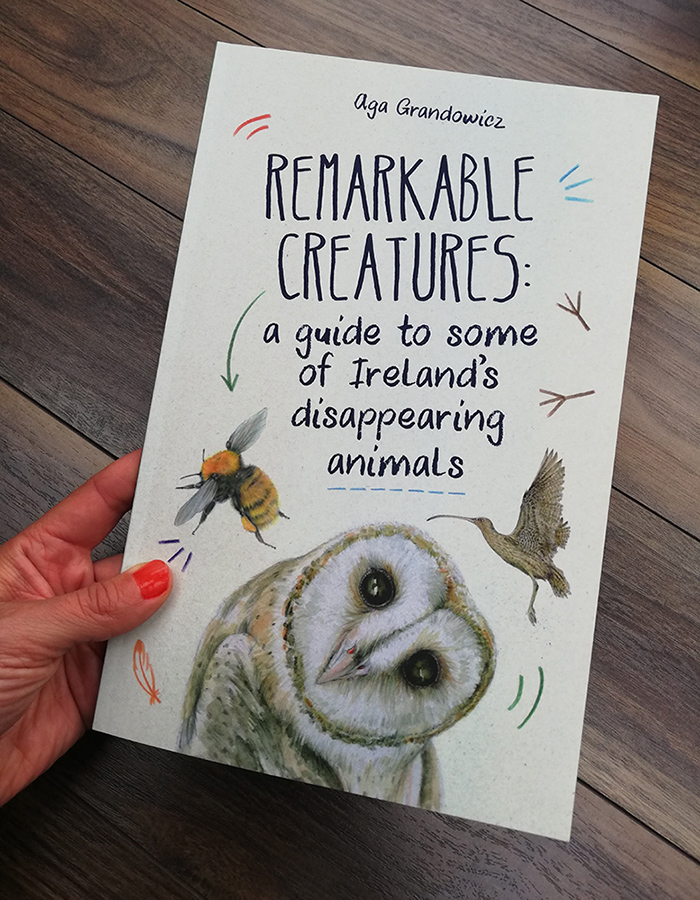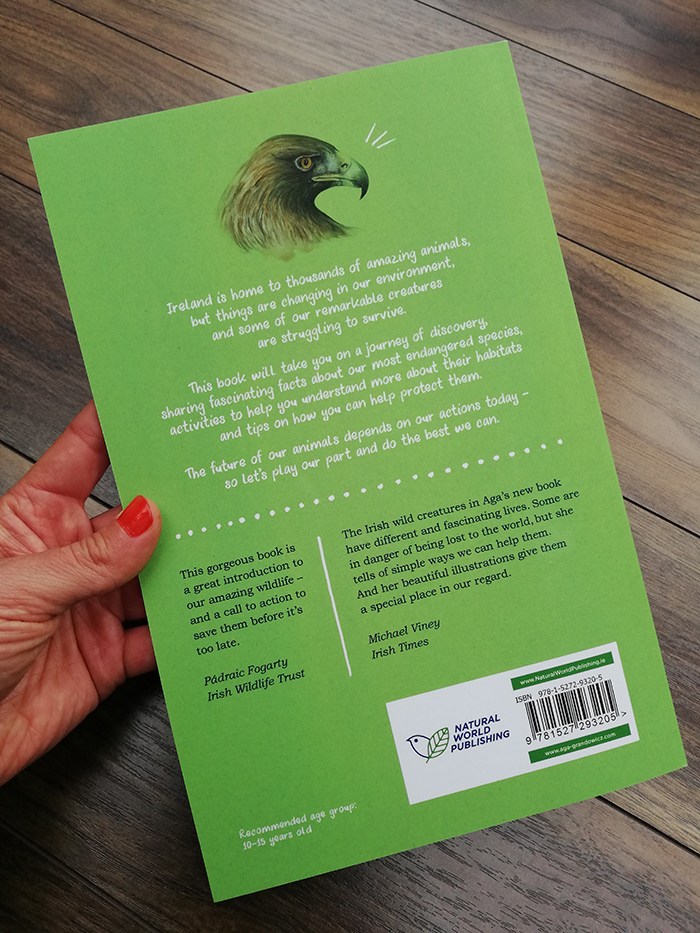
Remarkable creatures: a guide to some of Ireland’s disappearing animals is one of the projects closest to the heart of my wildlife illustration and publishing practice. Published by Natural World Publishing in May 2021, the book introduces young readers to thirteen Irish animals facing significant conservation challenges.
The book was published on World Endangered Species Day, with the aim of doing more than simply presenting a collection of beautiful wildlife illustrations. I wanted to create a book that would help young people understand Ireland's wildlife, discover the often surprising lives of individual species, learn about the habitats they depend on and, importantly, understand that there are practical things we can do to help protect them.
Bringing Irish wildlife to life
Ireland's wildlife is often overshadowed by more exotic species. We may think of endangered animals as creatures living in distant rainforests or on remote islands, yet many species experiencing population pressures can be found much closer to home.
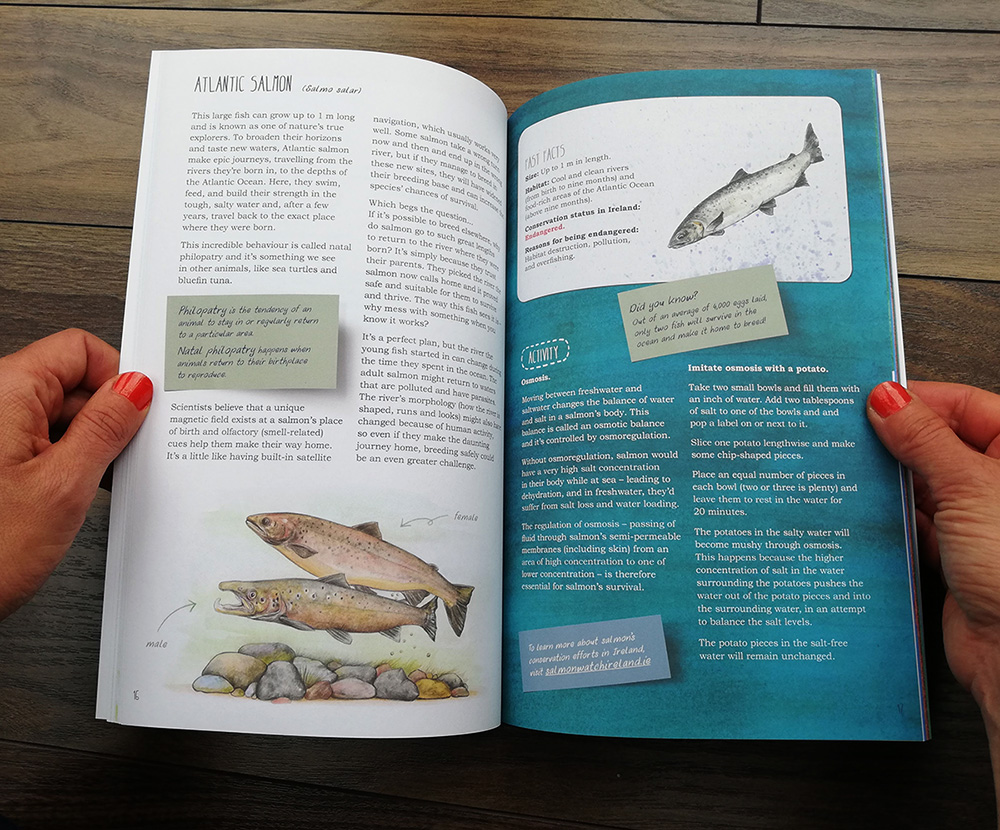
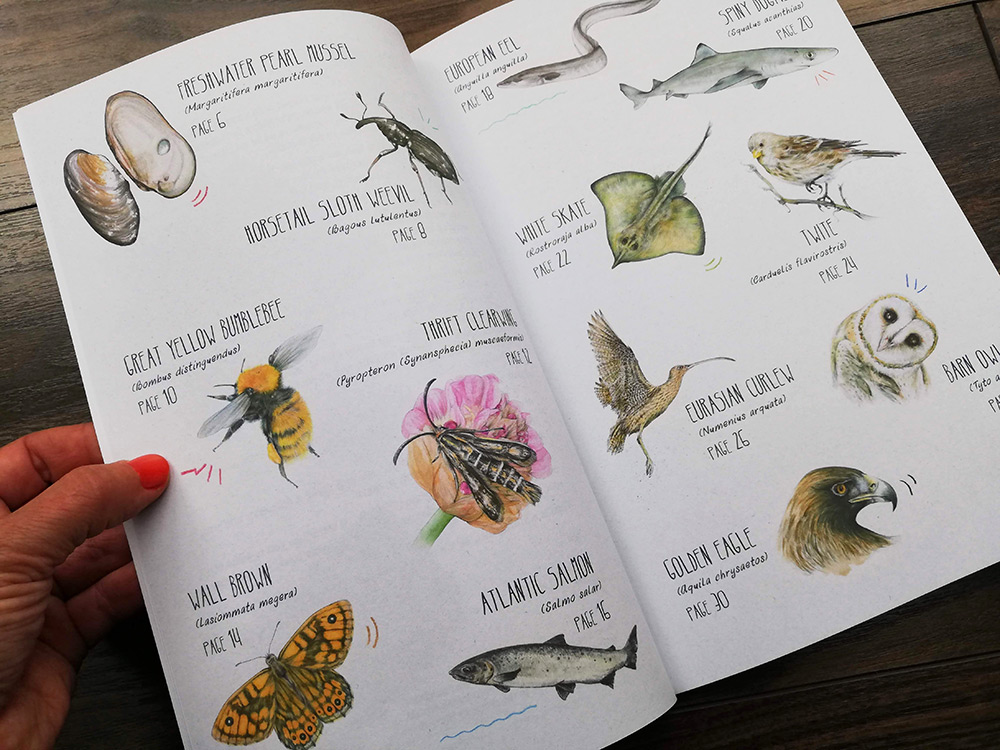
Remarkable creatures focuses attention on these less visible stories. Through realistic wildlife illustrations and accessible text, the book introduces thirteen species and explores what makes each one remarkable, what threatens it and what can be done to give it a better chance of surviving.
The species featured in the book have very different lives and habitats. Some are associated with farmland, others with wetlands, rivers, woodlands, coastlines or marine environments. Bringing them together in one publication allowed me to show just how varied Ireland's natural heritage is, while also highlighting the connections between animals, habitats and human activity.
Illustration as a way into conservation
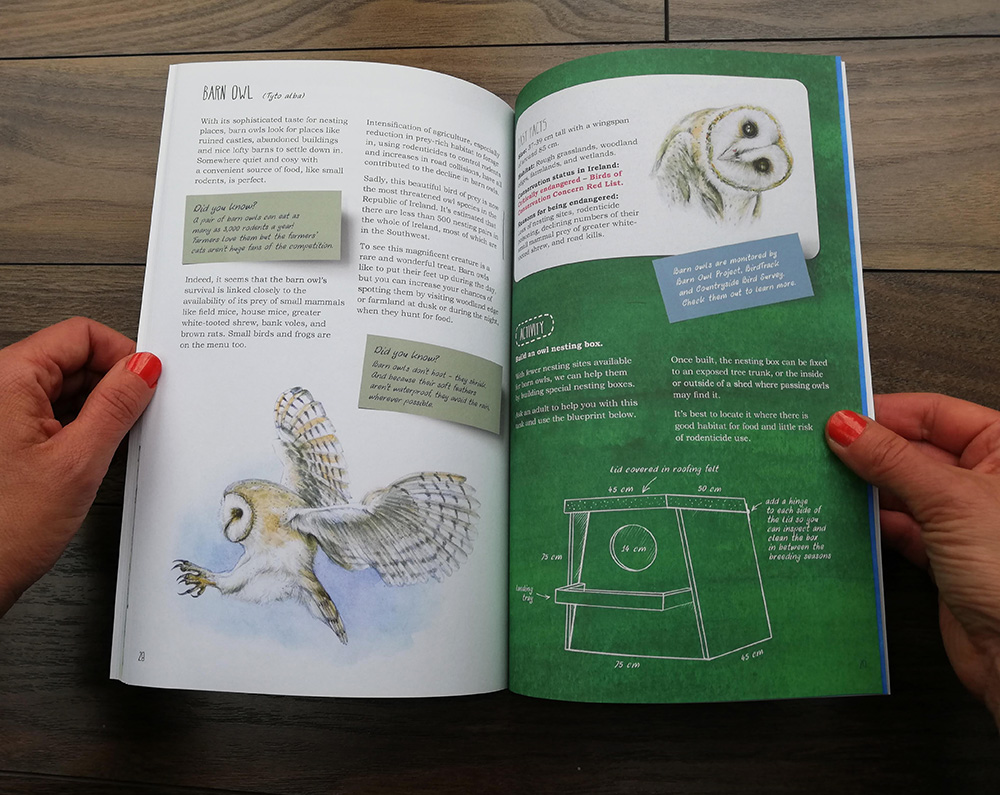
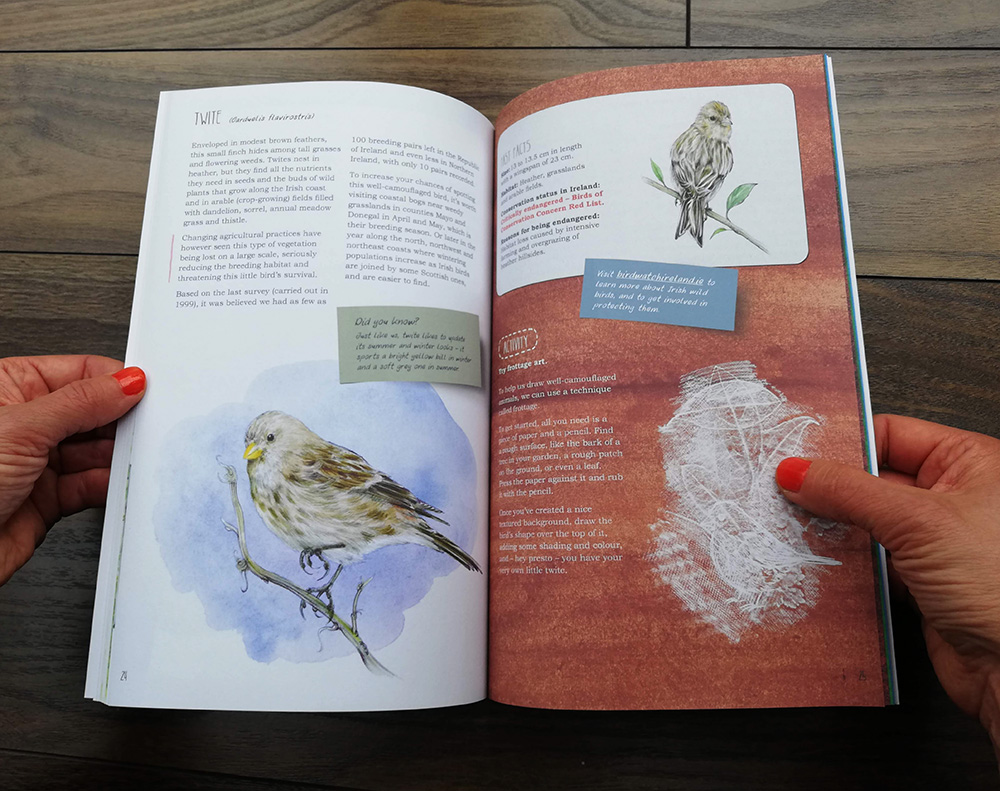
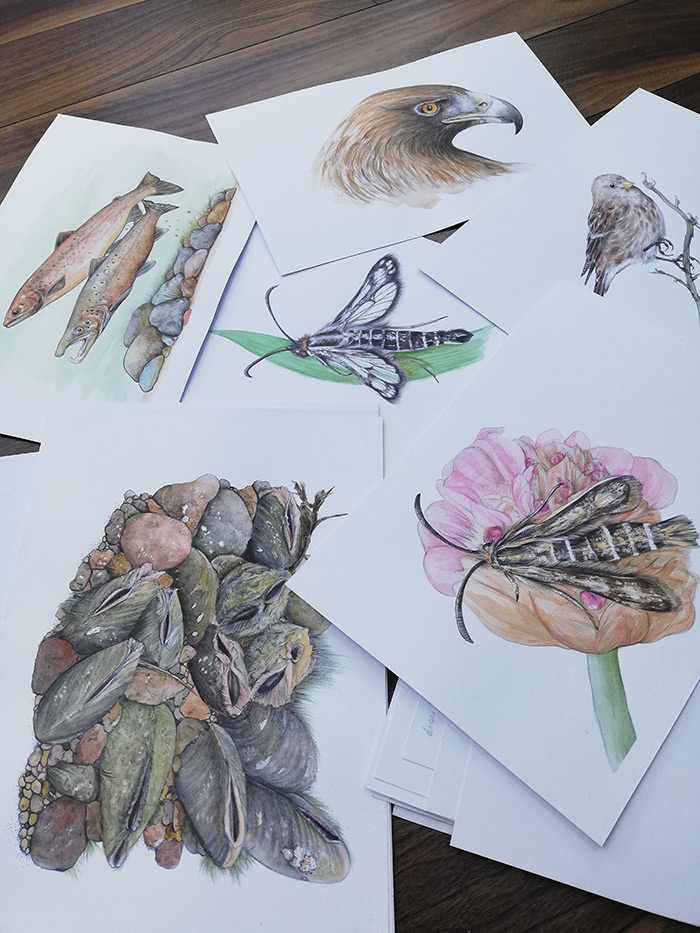
The illustrations were created in my detailed natural-history style, with particular attention to anatomy, identifying features, behaviour and habitat. For a book aimed at younger readers, however, accuracy was only part of the challenge. The animals also needed to have enough visual presence and character to make readers want to spend time looking at them.
That balance between scientific accuracy and visual engagement has become an important part of my approach to wildlife illustration. I want the images to be credible as natural-history artwork, but I also want them to create an emotional connection with the subject.
Illustration can be particularly effective in conservation communication because it allows an animal to become the focus of attention. Instead of presenting biodiversity loss as an abstract environmental problem, a drawing gives it a face, shape and personality.
More than a wildlife book
The project was deliberately designed as an interactive introduction to Irish conservation. Alongside species profiles and natural-history facts, the book includes activities intended to help young readers explore habitats and think about the ways their own actions can affect wildlife.
The emphasis is on curiosity and participation rather than simply telling children that species are in trouble. Understanding an animal's habitat, discovering how it lives and recognising the pressures it faces can be the first step towards caring about what happens to it.
This was also important to me as a publisher. I wanted Remarkable creatures to demonstrate that a nature book for young people can be visually appealing and enjoyable while still treating its subject seriously.
A multidisciplinary project
The book brought together several aspects of my professional experience. I wrote, illustrated and designed the publication, working with editor Gina McCrudden and receiving scientific consultation from Catherine Casey, now Head of Climate Change at The Heritage Council, and Biodiversity Officer at the time of writing the book.
This combination of roles allowed me to approach the book as a complete visual and editorial project rather than simply producing a set of illustrations. The typography, page layouts, illustrations, information and activities were all developed to work together as one coherent and children-friendly experience.
It is also an example of the role that my background in graphic design and creative direction continues to play in my wildlife work. I’m interested not only in drawing individual species, but in finding effective ways to organise and communicate natural-history information through books, educational resources, interpretation and other forms of visual storytelling.
Recognition
The book was featured in the Irish Independent in 2021 in “The great escape – the best books for young bookworms to get lost in”.
It also received generous endorsements from people working in Irish nature and conservation. Natural-history writer Michael Viney wrote "The Irish wild creatures in Aga’s new book have different and fascinating lives. Some are in danger of being lost to the world, but she tells of simple ways we can help them. And her beautiful illustrations give them a special place in our regard.”, while Pádraic Fogarty of the Irish Wildlife Trust called it both an introduction to Ireland's wildlife and a call to action; “This gorgeous book is a great introduction to our amazing wildlife – and a call to action to save them before it’s too late.”
These responses were particularly meaningful because the underlying purpose of the project was always to encourage a closer relationship between young people and Ireland's natural world.
Project details
Title: Remarkable creatures: a guide to some of Ireland’s disappearing animals
Publisher: Natural World Publishing
Publication: May 2021
ISBN: 978-1-5272-9320-5
Format: 16.8 × 26 cm, paperback, 40 pages, full colour
Audience: Recommended for ages 10-15
Author, illustrator and designer: Aga Grandowicz
Editor: Gina McCrudden
Scientific consultant: Catherine Casey, Head of Climate Change at The Heritage Council
Remarkable Creatures remains an important project in my practice because it brought together wildlife illustration, conservation, publishing, design, and education in a single piece of work. It also reinforced something that continues to motivate my work today: making Irish biodiversity beautiful, accessible and impossible to ignore.