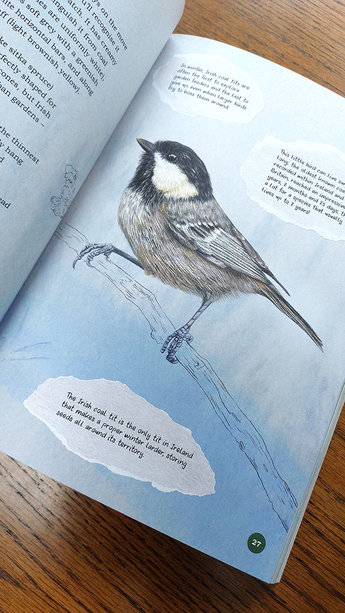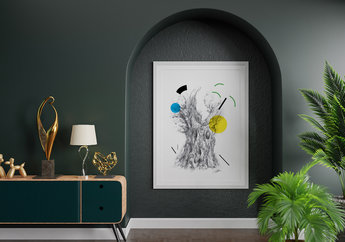
If you'd like to buy a drawing of a particular species from me, but you don't see it in my shop, please ask if I have it.
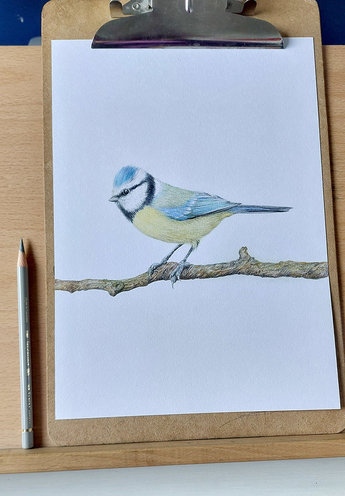
I have dozens of drawings in my filing cabinet, most of them are part of various large commissions
(I usually draw species separately and combine them on my computer when designing the final artwork, together with the text, if required),
so there's always a chance I might have exactly what you need :)


Blog

2:18 PM

I’m 10 years into this wildlife-related adventure now, though its beginning still feels strangely recent – as most long journeys do when you look back on them.

Leaving aside my childhood obsession with non-fiction animal books, it all really started when a colleague (thank you Paul O'L!) showed me a brush-like marker he’d brought back from Japan. I tried it once, and drawing with it felt so effortless and satisfying that I simply couldn’t stop. He kindly gave me the marker, and soon…

May 11

Why is a moorhen’s bill (beak) red and not blue, green, or purple?

According to some quick research I did on the subject, the red colour of the bill and frontal shield is linked to health – birds with brighter red shields tend to carry lower levels of bacteria and parasites. The colour may also help with asserting dominance, as individuals with more vivid shields are more likely to win territorial disputes. The yellow tip of the bill can also reveal information about a bird’s…

May 8

In my previous post, I talked about species naming conventions, and I’d like to continue that thread here.

The common snipe (Gallinago gallinago, Irish: Naoscach) received its English name a very long time ago – and, sadly, it shows. Today, this remarkable bird’s breeding population is declining, and it is now Red-listed as a species of conservation concern in Ireland. Naming a species “common” reflects the once-naive assumption that its numbers would always remain…

May 8

One species, so many different names, depending on the language. I sometimes wonder why we don’t literally translate the scientific (Latin) names of species – wouldn’t their recognition across languages be much easier?

In case of the bordered beauty moth you can see here, its Latin name – Epione repandaria – literally means "the bent-back/uneven one", likely referencing the distinctively wavy, jagged, or bent appearance of the broad, dark brown border on the wings of the moth.…

Jan 5


8th of December 2025

Very happy to have made my first ever trip to Sligo today to attend the launch of ‘County Sligo Biodiversity Action Plan 2025–2030’ which includes my small contribution – the detailed illustration I did for the pull-up banner ‘Sligo Biodiversity’, which was also revealed for the first time at the launch.

Jan 5


16th December 2025

A big congratulations to everyone involved in bringing the Meath Biodiversity Action Plan 2025–2030 to life – officially launched today.

After months of hard work, it’s wonderful to finally see it out in the world and ready to be read. I was delighted to contribute through my wildlife illustrations and design, and to play a small part in such an important project.

Best of luck to Ben Malone and the team with turning these…